

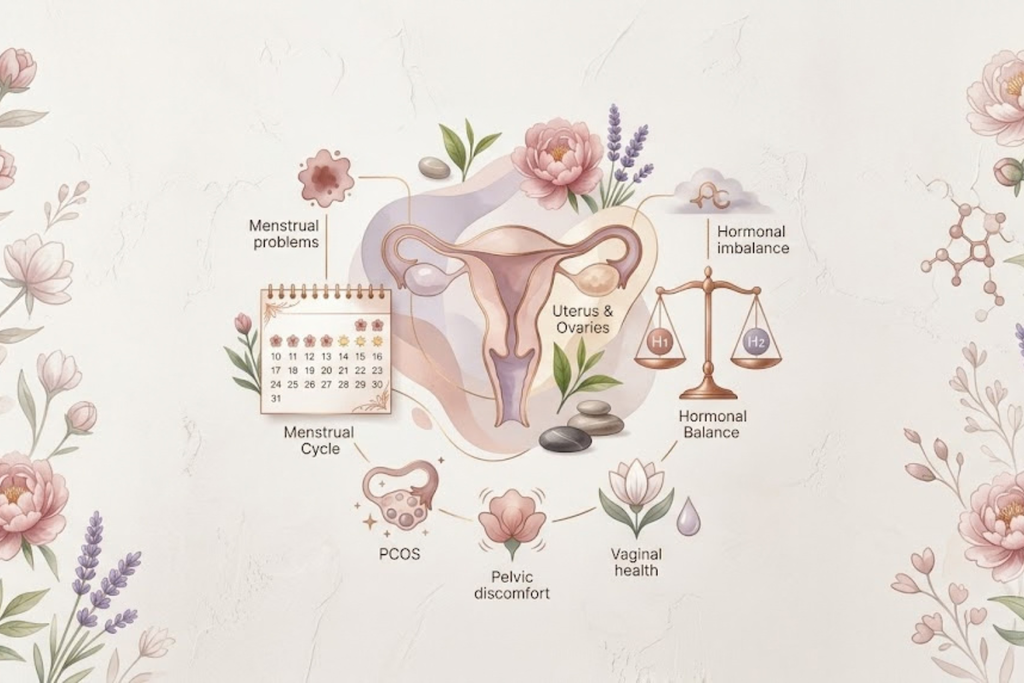
Women’s health covers much more than reproductive health. It includes menstrual health, hormonal balance, sexual and reproductive health, pregnancy, postpartum care, menopause, preventive healthcare and overall physical and emotional well-being. These needs can also change throughout different stages of life.
Knowing when to seek professional advice can help women address symptoms early and make informed decisions about their health. A gynecologist can evaluate menstrual concerns, pelvic symptoms, reproductive health issues, pregnancy-related needs and many other conditions affecting women.
What Does Women’s Health Include?
A complete Guide to Women’s Health should cover different aspects of health throughout a woman’s life.
Important areas include:
- Menstrual health: Period pain, irregular periods, heavy bleeding and missed periods
- Reproductive health: Fertility, pregnancy planning and contraception
- Sexual health: Pain during intercourse, infections and other concerns
- Hormonal health: PCOS, thyroid-related menstrual changes and menopause
- Pregnancy care: Antenatal and postpartum care
- Preventive healthcare: Appropriate health checks and screening
- Pelvic health: Pelvic pain, urinary concerns and pelvic-floor problems
WHO describes women’s health as extending across the entire life course, from adolescence through older age, rather than being limited to reproductive health.
When Should You See a Gynecologist?
You do not necessarily need to wait until a health problem becomes severe before consulting a gynecologist.
Consider scheduling a gynecological consultation if you experience:

- Periods that become irregular or unusually heavy
- Severe or worsening menstrual pain
- Bleeding between periods
- Bleeding after sexual intercourse
- Persistent pelvic pain
- Unusual vaginal discharge, itching or irritation
- Pain during intercourse
- Symptoms that may suggest PCOS
- Fertility concerns
- Pregnancy planning
- Contraception-related questions
- Menopause or perimenopause symptoms
For example, severe period pain that affects daily activities, or periods that become heavier or irregular, should be discussed with a healthcare professional.
Common Women’s Health Problems
Women can experience a wide range of gynecological conditions. Some are common and manageable, while others require detailed evaluation.
1. PCOS
Polycystic ovary syndrome (PCOS) can be associated with irregular periods, hormonal changes, acne, excess facial or body hair and fertility difficulties.
2. Endometriosis
Endometriosis can cause painful periods, pelvic pain and pain during or after sex. Symptoms can vary considerably between individuals.
3. Uterine Fibroids
Fibroids are non-cancerous growths involving the uterus. Depending on their size and location, they may contribute to heavy menstrual bleeding, pelvic pressure or pain.
4. Ovarian Cysts
Ovarian cysts can occur for different reasons. Many are harmless and resolve without treatment, while some may require monitoring or treatment.
5. Vaginal Infections
Changes in vaginal discharge, such as an unusual smell, colour or texture, particularly when accompanied by itching, soreness or pelvic pain, can indicate an infection and should be evaluated.
Period Problems You Should Not Ignore
Menstrual changes can sometimes provide useful clues about a woman’s health.
Irregular Periods
Irregular periods may have several causes, including hormonal changes, PCOS, thyroid problems, stress and other health conditions.
Heavy Periods
Very heavy menstrual bleeding can interfere with daily life and may contribute to iron-deficiency anemia. Persistent heavy bleeding should be evaluated to identify the underlying cause.
Painful Periods
Mild menstrual discomfort can be common, but severe or worsening pain should not simply be accepted as normal. Conditions such as endometriosis, adenomyosis, fibroids and pelvic inflammatory disease can cause significant menstrual pain.
Missed Periods
A missed period can occur for many reasons, including pregnancy, hormonal changes, stress, PCOS or other medical conditions. If missed periods are persistent or unexplained, consultation can help determine the cause.
Abnormal Vaginal Discharge: When Should You Seek Help?
Vaginal discharge is often a normal part of vaginal health. Normal discharge can vary during the menstrual cycle.
However, a noticeable change in smell, colour or texture, particularly with itching, soreness, pelvic pain or bleeding, may require medical evaluation.
Avoid self-diagnosing recurrent or unusual symptoms. A healthcare professional can determine whether the cause is an infection or another gynecological condition.
Pelvic Pain and Pain During Intercourse
Pelvic pain can have many possible causes, including menstrual problems, ovarian cysts, endometriosis, infections and conditions affecting the reproductive organs.
Pain during intercourse can also be associated with vaginal dryness, infections, endometriosis, hormonal changes or pelvic-floor problems.
Persistent or unexplained pelvic pain deserves medical assessment rather than being ignored.
Women’s Health During Different Stages of Life
Women’s healthcare needs change over time.
Adolescence
Important concerns can include:
- Understanding menstruation
- Severe period pain
- Irregular periods
- PCOS symptoms
- Menstrual hygiene
Reproductive Years
Care may involve:
- Menstrual health
- Contraception
- Fertility
- Pregnancy planning
- Sexual and reproductive health
Pregnancy and Postpartum
Care includes:
- Antenatal checkups
- Monitoring maternal and fetal health
- Postpartum recovery
- Breastfeeding concerns
- Family planning
Perimenopause and Menopause
Women may experience:
- Irregular periods
- Hot flashes
- Sleep changes
- Vaginal dryness
- Changes in mood
- Urinary or sexual health concerns
A life-stage approach helps ensure that women’s healthcare remains relevant as physical and hormonal needs change.
What Happens During a Gynecological Consultation?
Many women feel nervous about their first gynecologist consultation, but the appointment generally begins with a conversation about your concerns and medical history.
Depending on your symptoms, your gynecologist may discuss:
- Menstrual history – cycle length, bleeding and pain
- Medical history – previous conditions and surgeries
- Pregnancy history – if applicable
- Medications and supplements
- Sexual and reproductive health
- Physical examination, when appropriate
- Investigations, if needed
- Treatment and follow-up
Not every woman needs the same examination or tests. Your evaluation should be based on your symptoms, medical history, age and individual healthcare needs.
Preventive Women’s Healthcare
Gynecological care is not only about treating existing problems. Preventive healthcare can also help women understand their health and identify concerns that need attention.
Helpful habits include:
- Tracking your menstrual cycle
- Maintaining a balanced diet
- Staying physically active
- Getting adequate sleep
- Practicing appropriate menstrual hygiene
- Following recommended screening schedules
- Discussing persistent or unusual symptoms with a healthcare professional
Keeping a record of your menstrual symptoms can also make a consultation more informative.
Warning Signs You Should Not Ignore
Certain symptoms require prompt medical attention.
Seek medical care for symptoms such as:
- Severe or sudden pelvic pain
- Very heavy vaginal bleeding
- Unusual bleeding between periods
- Bleeding after sex
- Persistent abnormal vaginal discharge
- Fever accompanied by pelvic pain
- Severe symptoms during pregnancy
- Postmenopausal bleeding
For example, bleeding between periods or after sex should be checked by a healthcare professional. Unusual bleeding accompanied by pelvic pain after a missed period requires particularly prompt assessment because ectopic pregnancy can be a concern.
How to Choose a Gynecologist
If you are searching for the Best Gynecologist in Delhi, consider factors that are relevant to your individual healthcare needs rather than focusing on a single factor.
You may consider:
- Relevant medical qualifications
- Experience with your particular concern
- Range of gynecological and obstetric services
- Consultation approach
- Hospital or clinic facilities
- Clear communication
- Patient comfort and privacy
- Availability of follow-up care
If you are looking for a Gynecologist in Delhi, choosing a doctor with experience relevant to your symptoms or healthcare goals can help make the consultation more useful.
Frequently Asked Questions
1. When should I see a gynecologist?
You should consider a consultation for persistent or unusual menstrual problems, pelvic pain, abnormal discharge, fertility concerns, pregnancy planning, contraception questions or menopause-related symptoms.
2. How often should women have a gynecological consultation?
The appropriate frequency depends on your age, symptoms, medical history, reproductive plans and recommended preventive care. Your healthcare professional can advise you based on your individual needs.
3. Are painful periods always normal?
Mild period discomfort can be common, but severe, worsening or disruptive pain should be evaluated because conditions such as endometriosis, fibroids or adenomyosis may sometimes be involved.
4. When should abnormal vaginal discharge be checked?
Seek medical advice when discharge changes noticeably in colour, smell or texture, or when it is accompanied by itching, soreness, pelvic pain or bleeding.
5. Can a gynecologist help with PCOS?
Yes. A gynecologist can assess symptoms associated with PCOS, investigate possible causes and discuss appropriate management based on your individual health needs.
6. Should I see a gynecologist before planning pregnancy?
A pre-pregnancy consultation can be useful for discussing existing medical conditions, medications, lifestyle, nutrition, vaccinations and pregnancy planning.
Conclusion
Women’s health is a lifelong journey that includes menstrual, hormonal, reproductive, sexual, pregnancy and preventive healthcare. Knowing when to seek medical advice can help address concerns before they become more disruptive.
Whether you are dealing with period problems, pelvic pain, abnormal discharge, PCOS, fertility concerns, pregnancy planning or menopause symptoms, a timely gynecological consultation can help identify the cause and guide appropriate care.
If you are searching for a Best Gynecologist in Delhi or a Gynecologist in Delhi, consider your specific healthcare needs, the doctor’s relevant experience, communication approach and available follow-up care when making your choice.