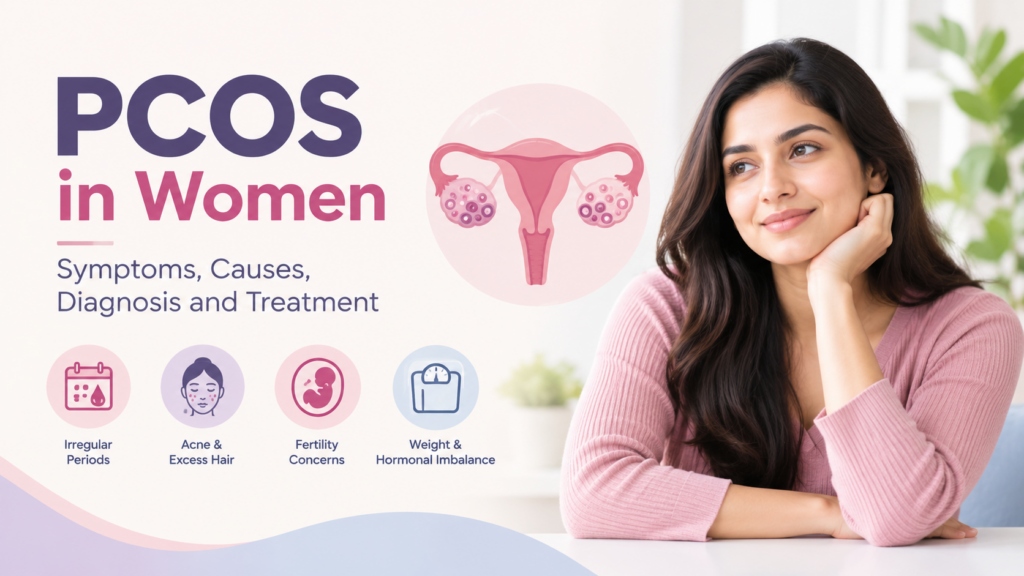
Polycystic Ovary Syndrome (PCOS) is a common hormonal condition that can affect menstrual cycles, skin health, metabolism and fertility. Women with PCOS may experience irregular periods, acne, unwanted facial hair, weight changes or difficulty becoming pregnant. However, symptoms vary from person to person, and some women may have only a few noticeable signs.
Understanding PCOS early can help women manage their symptoms, protect their long-term health and make informed decisions about pregnancy planning. With appropriate medical guidance, lifestyle changes and personalised treatment, many women with PCOS can lead healthy lives.
If you are experiencing irregular periods or other hormonal symptoms, consulting a Gynecologist in Delhi can help you understand the possible causes and determine whether further evaluation is needed.
What Is PCOS?
Polycystic Ovary Syndrome (PCOS) is a hormonal and metabolic condition that affects how the ovaries function. It is commonly associated with higher levels of androgens, sometimes called male-type hormones, and problems with regular ovulation.
Ovulation is the process in which an ovary releases an egg during the menstrual cycle. When ovulation occurs irregularly or does not occur, periods may become unpredictable, and conception may be more difficult.
PCOS may involve several features, including:
- Irregular or absent menstrual periods
- Higher androgen levels or symptoms such as acne and excess facial hair
- Multiple small follicles visible on an ovarian ultrasound
- Insulin resistance or other metabolic concerns in some women
Despite its name, PCOS does not mean that every woman has ovarian cysts. The small follicles sometimes seen on ultrasound are not the same as typical ovarian cysts, and an ultrasound is not always necessary to diagnose PCOS in adults.
According to the World Health Organization, PCOS affects an estimated 10–13% of women of reproductive age worldwide, although many cases remain undiagnosed.
Common Symptoms of PCOS in Women
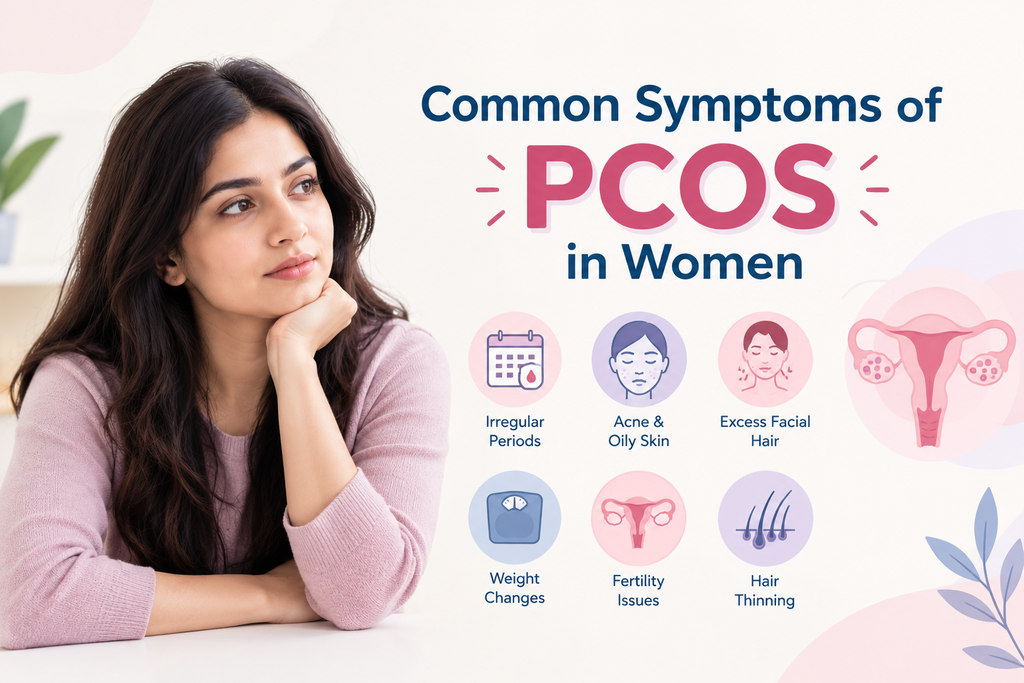
PCOS symptoms differ between individuals. Some women notice changes during their teenage years, while others discover the condition when seeking help for fertility concerns.
1. Irregular Periods
Irregular menstrual cycles are among the most common signs of PCOS. Hormonal changes may interfere with ovulation, causing periods to occur less frequently or unpredictably.
You may experience:
- Periods that are frequently delayed
- Fewer menstrual periods than usual
- Missed periods for several months
- Prolonged or heavy bleeding in some cases
Persistent irregular periods should be evaluated rather than automatically attributed to PCOS, as other hormonal and medical conditions can cause similar symptoms.
2. Acne and Oily Skin
Higher androgen levels can increase oil production in the skin, contributing to persistent acne. Breakouts may occur on the face, chest, shoulders or back.
Acne that develops in adulthood, becomes persistent or does not improve with usual treatment may warrant an assessment for hormonal causes.
3. Excess Facial or Body Hair
Some women with PCOS develop thicker, darker hair on the chin, upper lip, chest, abdomen or other areas. This symptom is called hirsutism and can be associated with elevated androgen levels.
Sudden or rapidly worsening hair growth, especially when accompanied by voice deepening or other significant physical changes, needs prompt medical evaluation.
4. Hair Thinning
PCOS may contribute to female-pattern hair thinning, particularly around the scalp’s crown or parting. Other conditions, including iron deficiency and thyroid disorders, can also cause hair loss, so assessment may be needed to identify the cause.
5. Weight Changes and Insulin Resistance
Some women with PCOS experience weight gain or find weight management challenging. Insulin resistance, in which the body’s cells respond less effectively to insulin, can be part of the condition.
However, PCOS can affect women of every body size. Being overweight is not required for diagnosis, and weight alone cannot determine whether someone has PCOS.
6. Difficulty Becoming Pregnant
PCOS can interfere with regular ovulation, which may make conception more difficult. It is an important cause of ovulatory infertility, but it does not mean that pregnancy is impossible.
Many women with PCOS conceive naturally, while others benefit from medical treatment to support ovulation.
7. Emotional and Mental Health Concerns
Persistent acne, hair changes, fertility difficulties and concerns about body image can affect emotional well-being. Some women with PCOS experience anxiety or depression.
Mental health is an important part of PCOS care. Discussing emotional concerns with a healthcare professional is appropriate and can help you access support.
What Causes PCOS?
The exact cause of PCOS is not fully understood. Research suggests that genetic, hormonal and metabolic factors contribute to its development.
Hormonal Imbalances
Higher androgen levels can affect ovarian function, ovulation, skin health and hair growth. Changes in the hormonal signals that regulate the menstrual cycle may also contribute to irregular periods.
Insulin Resistance
Insulin helps the body use glucose for energy. In insulin resistance, the body may need to produce more insulin to maintain normal blood glucose levels. Higher insulin levels can contribute to increased androgen production in some women, worsening certain PCOS symptoms.
Family History and Genetics
PCOS may run in families. Having a close relative with PCOS or type 2 diabetes may increase the likelihood of developing the condition, although family history does not guarantee that someone will have it.
Lifestyle and Environmental Factors
Sleep, physical activity, nutrition and other lifestyle factors can influence metabolic health and symptom management. They do not, however, fully explain why PCOS develops.
PCOS is not simply caused by eating particular foods, being overweight or having an unhealthy lifestyle. Women should not blame themselves for developing the condition.
How Is PCOS Diagnosed?
There is no single test that confirms every case of PCOS. Diagnosis involves assessing symptoms, medical history, examination findings and, when appropriate, laboratory tests or imaging.
A doctor generally considers three key features in adults:
- Irregular or absent ovulation: This may appear as infrequent or unpredictable periods.
- Signs of elevated androgens: These may include excess facial or body hair, persistent acne, scalp hair thinning or elevated androgen levels on blood tests.
- Polycystic ovarian appearance: An ultrasound may identify a characteristic pattern of small follicles in the ovaries.
In adults, a diagnosis can generally be made when at least two of these three features are present and other causes have been excluded. An ultrasound may not be needed when irregular ovulation and evidence of excess androgens are already established.
Medical History and Physical Assessment
Your doctor may ask about your menstrual cycle, symptoms, weight changes, medications, family history and pregnancy plans. Blood pressure and relevant physical findings may also be assessed.
Blood Tests
Depending on your symptoms, your doctor may recommend tests such as:
- Testosterone or other androgen measurements
- Thyroid function tests
- Prolactin levels
- Blood glucose testing or other assessment of metabolic risk
- Cholesterol and other lipid measurements
These tests help evaluate PCOS and rule out conditions that can cause similar symptoms. Not every patient needs every test.
Pelvic Ultrasound
A pelvic ultrasound may be recommended to assess the ovaries and other pelvic structures when clinically appropriate. However, seeing multiple small follicles does not automatically mean a woman has PCOS.
Teenagers require particular care because irregular periods and ovarian appearances can be normal during puberty. Adult diagnostic criteria should not simply be applied to adolescents.
PCOS Treatment: What Are the Available Options?
There is currently no permanent cure for PCOS, but effective treatment can help manage symptoms, support fertility and reduce certain long-term health risks.
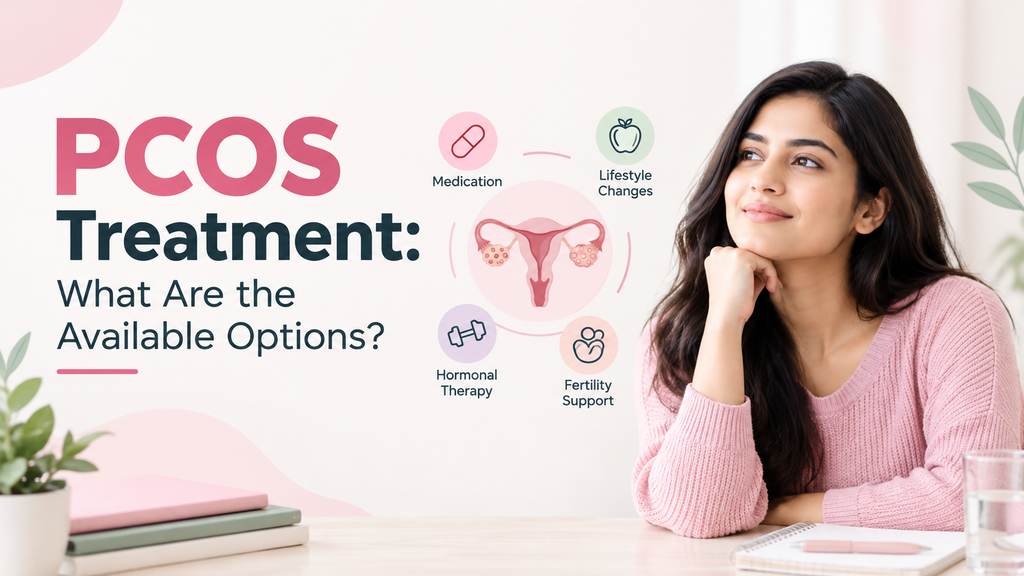
The most appropriate PCOS treatment depends on your symptoms, age, medical history, metabolic health and whether you are planning a pregnancy.
1. Lifestyle Management
Healthy lifestyle habits are an important part of care for all women with PCOS, regardless of body weight.
Helpful measures include:
- Eating balanced meals with vegetables, fruits, whole grains, protein and healthy fats
- Including regular physical activity, such as walking, cycling or strength training
- Maintaining a consistent sleep schedule
- Avoiding crash diets and extreme exercise routines
- Seeking support for stress and emotional well-being
There is no single diet proven to be best for every woman with PCOS. A sustainable eating pattern that meets your nutritional needs is generally more useful than restrictive diets or unverified supplements.
2. Medication to Regulate Periods
For women who are not trying to conceive, a doctor may prescribe combined hormonal contraceptive pills or other suitable hormonal treatments to regulate bleeding and manage certain symptoms.
When periods are very infrequent, treatment may also be needed to protect the uterine lining from prolonged exposure without regular progesterone. The appropriate option depends on individual risks and medical history.
Do not start hormonal medication without medical advice.
3. Treatment for Acne and Excess Hair Growth
Treatment may include hormonal medication, topical acne therapies or other medicines depending on the symptoms.
Some women may be prescribed anti-androgen medication when appropriate. These medicines require medical supervision, and some can harm a developing fetus, so pregnancy prevention and pregnancy plans must be discussed with the treating doctor.
Hair-removal methods may also be used alongside medical treatment if desired.
4. Metformin and Metabolic Health
Metformin may be considered for selected women, particularly when metabolic concerns such as insulin resistance or increased blood glucose risk are present.
It is not necessary for every woman with PCOS and is not a universal weight-loss treatment. A clinician should assess whether it is suitable and explain possible side effects.
5. Fertility Treatment for Women With PCOS
Women who want to become pregnant may benefit from treatment that supports ovulation.
Depending on the clinical situation, options may include:
- Lifestyle and preconception health support
- Medication to stimulate ovulation, such as letrozole when appropriate
- Further fertility evaluation if conception does not occur
- Assisted reproductive treatments, including IVF, in selected cases
PCOS is only one possible factor affecting fertility. A fertility assessment may also consider sperm health, the fallopian tubes, age and other relevant factors.
If you are trying to conceive, tell your doctor early so that treatment can be tailored to your pregnancy goals.
6. Monitoring Long-Term Health
PCOS can be associated with an increased risk of type 2 diabetes, abnormal cholesterol levels, high blood pressure and other metabolic concerns.
Your doctor may recommend blood glucose assessment, lipid testing, blood pressure monitoring and other checks based on your personal risk factors. Ongoing follow-up can help identify problems early.
Can Women With PCOS Get Pregnant Naturally?
Yes. Many women with PCOS become pregnant naturally. The main challenge is often irregular ovulation, which can make it harder to predict the fertile window.
If your periods are irregular and you are trying to conceive, seek medical advice rather than waiting indefinitely. Treatments that help ovulation can improve the chances of pregnancy when clinically appropriate.
Women with PCOS who become pregnant may have a higher risk of certain complications, including gestational diabetes and high blood pressure. Early antenatal care and appropriate monitoring can help manage these risks.
When Should You Consult a PCOS Specialist in Delhi?
Consider consulting a PCOS specialist in Delhi or a qualified gynecologist if you experience:
- Repeatedly irregular or missed periods
- Persistent acne or unwanted facial hair
- Unexplained scalp hair thinning
- Difficulty becoming pregnant
- Concerns about insulin resistance or blood sugar
- Symptoms that are affecting your emotional well-being
- Previously diagnosed PCOS that needs review or ongoing management
Seek prompt medical assessment for rapidly worsening facial hair or other new hormonal changes. If you have severe abdominal or pelvic pain, fainting or heavy bleeding accompanied by weakness or dizziness, seek urgent medical care rather than assuming it is caused by PCOS.
What to Look for When Choosing a Specialist
When looking for a Gynecologist in Delhi for PCOS care, consider whether the clinician:
- Has appropriate qualifications and experience in managing hormonal and menstrual disorders
- Explains the diagnosis and available treatment choices clearly
- Considers your fertility goals and personal preferences
- Assesses metabolic health when indicated
- Provides a plan for follow-up and long-term symptom management
Good PCOS care should be individualised, evidence-based and respectful of your concerns.
Frequently Asked Questions About PCOS
1. Can PCOS be cured permanently?
There is currently no permanent cure for PCOS. However, symptoms can often be managed effectively through lifestyle measures, medication and fertility treatment when needed. Treatment may change over time as your health needs change.
2. Does every woman with PCOS have ovarian cysts?
No. The presence of ovarian cysts is not required for a PCOS diagnosis. Some women have characteristic small follicles on ultrasound, while others can be diagnosed based on other clinical features.
3. Can a woman with PCOS have regular periods?
Yes. Some women with PCOS have regular menstrual cycles. A clinician considers the complete symptom pattern and relevant test results when evaluating whether PCOS is present.
4. Does PCOS always cause weight gain?
No. PCOS occurs in women of different body sizes. Weight gain may occur in some women, but it is not a requirement for diagnosis.
5. Which foods should women with PCOS avoid?
There is no universal list of foods that every woman with PCOS must avoid. Limiting excessive added sugars and highly processed foods may support overall metabolic health, but a balanced, sustainable diet is preferable to unnecessary food restrictions. Individual dietary needs may differ.
6. Can PCOS affect fertility?
Yes. PCOS can cause irregular ovulation and make conception more difficult. However, many women with PCOS conceive naturally or with treatment to support ovulation.
7. How often should PCOS be reviewed?
Follow-up frequency depends on your symptoms, treatment and individual health risks. Your doctor can recommend a schedule for reviewing menstrual symptoms, medication effects, metabolic health and fertility goals.
Conclusion
PCOS is a common hormonal and metabolic condition that can affect menstrual health, skin, hair, fertility and long-term well-being. Although its symptoms can be frustrating, early diagnosis and a personalised treatment plan can make a meaningful difference.
If you have irregular periods, persistent acne, excess facial hair or difficulty conceiving, consult a qualified Gynecologist in Delhi for an appropriate assessment. A PCOS specialist can help you understand your symptoms, discuss evidence-based PCOS treatment options and develop a plan that suits your health needs and future goals.
Medical note: This article is for general educational purposes and does not replace an individual medical consultation. Diagnosis and treatment should be guided by a qualified healthcare professional.