
Menstrual periods are a natural part of a woman’s reproductive health. However, irregular cycles, painful cramps, heavy bleeding, and other menstrual problems can affect daily activities, emotional well-being, and overall quality of life.
While mild discomfort during menstruation is common, persistent or severe symptoms should not be ignored. Menstrual problems may sometimes be associated with hormonal imbalances, polycystic ovary syndrome (PCOS), thyroid disorders, endometriosis, uterine fibroids, or other underlying conditions.
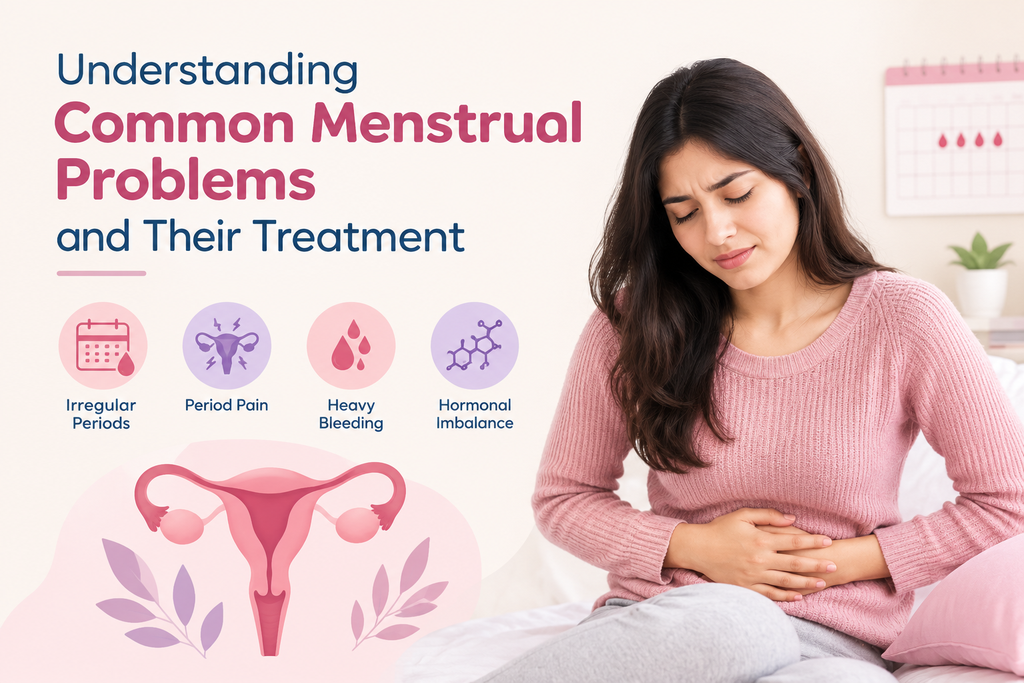
Understanding the symptoms and available treatment options can help women make informed decisions about their health. Consulting a qualified gynecologist can help identify the cause of menstrual problems and determine an appropriate treatment plan.
Women looking for the Best Gynecologist in Delhi should seek professional guidance when menstrual symptoms become unusual, persistent, or disruptive to everyday life.
What Are Common Menstrual Problems?
Menstrual disorders are conditions that affect the regularity, duration, flow, or symptoms of menstruation. Although every woman’s menstrual cycle is different, certain changes may indicate a health concern.
Common menstrual problems include:
- Irregular periods: Menstrual cycles that occur unpredictably or have significant changes in timing.
- Painful periods: Menstrual cramps that cause discomfort or interfere with normal activities.
- Heavy periods: Excessive menstrual bleeding that may lead to fatigue or iron-deficiency anaemia.
- Missed periods: The absence of menstruation for an unexpected period of time.
- Prolonged periods: Menstrual bleeding that lasts longer than usual, particularly beyond seven days.
- Bleeding between periods: Spotting or bleeding that occurs outside the expected menstrual period.
A typical menstrual cycle is often around 21–35 days in adults, although individual patterns can vary. Menstrual bleeding generally lasts up to seven days. Significant changes from your usual pattern deserve attention.
1. Irregular Periods: Causes, Symptoms and Treatment
What Are Irregular Periods?
Irregular periods occur when the timing, duration, or flow of menstruation changes unpredictably. Some variation can be normal, especially during the first few years after periods begin and during the transition to menopause.
However, repeatedly irregular cycles may indicate an underlying hormonal or reproductive health concern.
Common Causes of Irregular Periods
Several factors can contribute to irregular menstruation, including:
- Polycystic ovary syndrome (PCOS): May interfere with regular ovulation and menstrual cycles.
- Thyroid disorders: An overactive or underactive thyroid can affect menstruation.
- Stress: Significant physical or emotional stress may influence hormonal regulation.
- Weight changes: Rapid weight gain or weight loss can affect ovulation.
- Excessive exercise: Intense physical activity combined with inadequate energy intake may disrupt periods.
- Hormonal contraception: Certain contraceptive methods can change menstrual bleeding patterns.
- Pregnancy: A missed period may be an early sign of pregnancy.
- Perimenopause: Hormonal changes during the transition to menopause can cause irregular cycles.
Symptoms You Should Not Ignore
Consider consulting a gynecologist if you experience:
- Periods that repeatedly occur less than 21 days or more than 35 days apart.
- A sudden change in your previously regular menstrual cycle.
- Missing periods for several months.
- Irregular periods accompanied by unusual facial hair growth, acne, or unexplained weight changes.
- Difficulty conceiving alongside irregular menstruation.
Treatment for Irregular Periods
Treatment depends on the underlying cause. A gynecologist may recommend:
- Hormonal evaluation or thyroid testing when indicated.
- Lifestyle changes, including balanced nutrition and appropriate physical activity.
- Medical management of PCOS or thyroid disorders.
- Hormonal medication or contraception to regulate bleeding when suitable.
- Pregnancy testing when pregnancy is possible.
Not every irregular cycle requires medication. The goal is to identify the cause and choose treatment based on the patient’s symptoms, medical history, and reproductive plans.
2. Painful Periods: Understanding Menstrual Cramps
What Causes Painful Periods?
Painful periods, medically known as dysmenorrhea, commonly cause cramping in the lower abdomen. The pain may spread to the lower back or thighs and may be accompanied by nausea, headaches, diarrhoea, or fatigue.
Menstrual cramps often occur because the uterus contracts to shed its lining. Chemicals called prostaglandins contribute to these contractions.
However, severe or worsening period pain can sometimes be associated with conditions such as:
- Endometriosis
- Adenomyosis
- Uterine fibroids
- Pelvic inflammatory disease
- Certain ovarian conditions
How Can Period Pain Be Managed?
Depending on the symptoms and their cause, management may include:
- Applying a warm heating pad to the lower abdomen.
- Gentle physical activity, stretching, or relaxation techniques.
- Adequate sleep and hydration.
- Anti-inflammatory pain medication when appropriate and medically safe.
- Hormonal treatment when recommended by a healthcare professional.
- Further investigation if pain is severe, persistent, or does not improve with initial treatment.
Avoid repeatedly relying on pain medication without assessment if your cramps are worsening or disrupting your daily routine.
When Should You Seek Medical Advice for Period Pain?
Arrange a gynecological consultation if period pain prevents you from attending school or work, interferes with sleep, or becomes progressively worse. Pain during sexual intercourse, bowel movements, or urination—particularly around menstruation—also warrants evaluation.
Severe pelvic pain that begins suddenly, especially with fainting, fever, or possible pregnancy, requires urgent medical assessment.
3. Heavy Periods: Causes and Treatment Options
What Are Heavy Periods?
Heavy menstrual bleeding occurs when the amount or duration of bleeding significantly affects daily life. It may be difficult to manage with usual menstrual products and can interfere with work, exercise, sleep, and other activities.
Possible signs include:
- Changing a pad every one to two hours because it becomes soaked.
- Menstrual bleeding lasting longer than seven days.
- Passing large blood clots.
- Bleeding through clothes or bedding.
- Feeling unusually tired, weak, dizzy, or short of breath.
Heavy bleeding can cause iron deficiency and anaemia, so it is important not to dismiss persistent symptoms as normal.
Common Causes of Heavy Menstrual Bleeding
Heavy periods may be associated with:
- Uterine fibroids or polyps.
- Adenomyosis or endometriosis.
- PCOS or irregular ovulation.
- Thyroid disorders.
- Bleeding or clotting disorders.
- Certain medications or contraceptive methods.
- Pregnancy-related complications, including miscarriage or ectopic pregnancy.
The cause cannot always be determined from symptoms alone, so assessment may be necessary.
Treatment for Heavy Periods
Treatment is individualized and may include:
- Medication: Certain anti-inflammatory medicines or prescription treatments can reduce menstrual bleeding.
- Hormonal treatment: Selected hormonal contraceptives or a hormonal intrauterine system may help control bleeding.
- Iron supplementation: May be recommended if testing identifies iron deficiency.
- Treatment of underlying conditions: For example, fibroids or thyroid disorders may need specific management.
- Procedures or surgery: May be considered when medication is unsuitable or ineffective, depending on the diagnosis and future pregnancy plans.
A gynecologist may recommend blood tests and an ultrasound to investigate heavy bleeding. Never start hormonal medication or prescription treatment without appropriate medical advice.
Seek emergency care if very heavy bleeding is accompanied by fainting, severe dizziness, chest pain, or shortness of breath. Bleeding that soaks through a pad every hour for more than two hours, particularly with these symptoms, needs urgent assessment.
4. Other Common Menstrual Disorders
In addition to irregular, painful, and heavy periods, several other conditions can affect menstrual health.
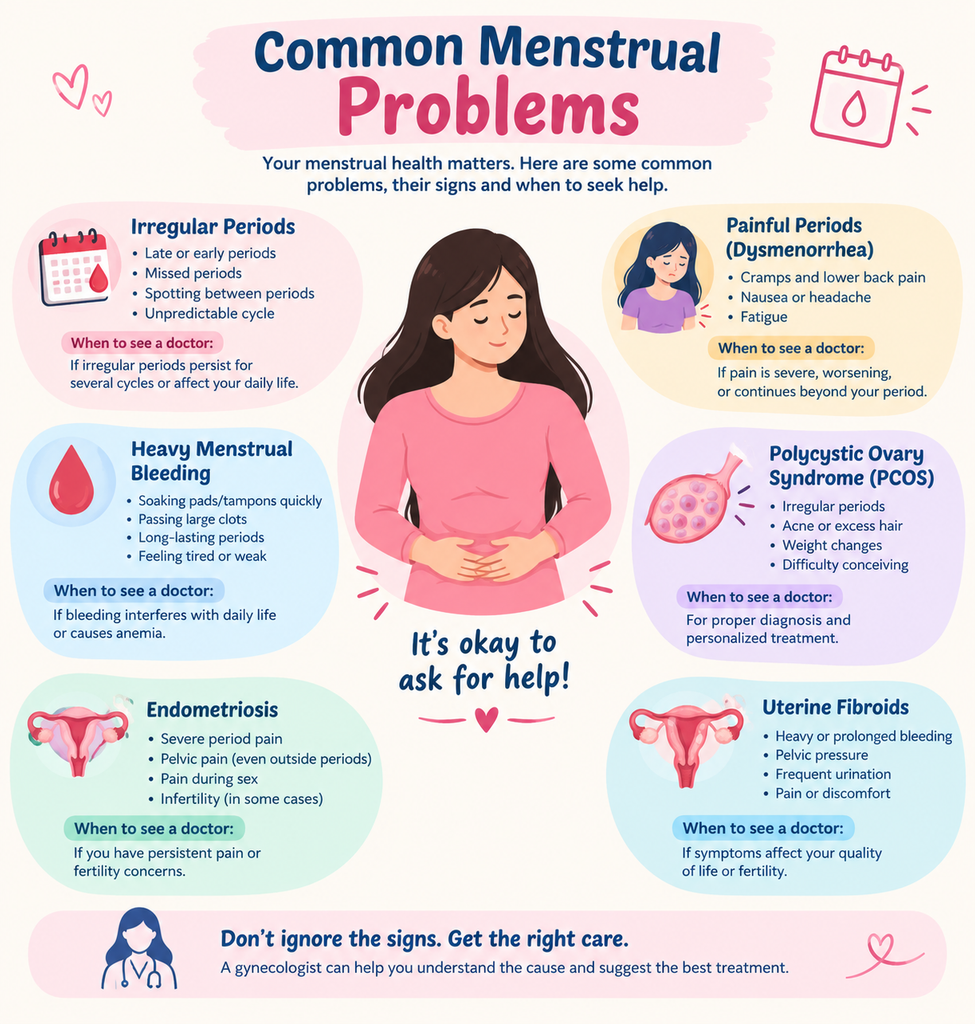
Polycystic Ovary Syndrome (PCOS)
PCOS is a hormonal condition that may cause irregular periods, acne, increased facial hair, and difficulty with ovulation. Some women also experience weight-related or metabolic concerns.
Management may include lifestyle support, cycle regulation, and treatment of individual symptoms. The appropriate approach depends on whether the patient is trying to conceive and which symptoms require attention.
Endometriosis
Endometriosis occurs when tissue similar to the lining of the uterus grows outside the uterus. It may cause severe period pain, chronic pelvic pain, pain during sex, and fertility difficulties.
Treatment can include pain management, hormonal medication, and surgery in selected cases.
Uterine Fibroids
Fibroids are usually noncancerous growths in or around the uterus. Depending on their size and location, they may cause heavy periods, pelvic pressure, prolonged bleeding, or fertility-related concerns.
Management depends on symptoms, fibroid characteristics, age, and plans for future pregnancy.
Amenorrhea (Missed Periods)
Amenorrhea refers to the absence of menstruation. Pregnancy is one possible cause, but missed periods may also be related to hormonal changes, thyroid problems, low energy intake, excessive exercise, or other medical conditions.
If your periods stop unexpectedly, consult a healthcare professional to determine the cause rather than trying to induce bleeding on your own.
5. How Are Menstrual Problems Diagnosed?
A gynecologist will assess your symptoms and medical history before recommending tests. Not every patient needs every investigation.
Depending on the situation, evaluation may include:
- Medical history: Your cycle pattern, bleeding duration, pain severity, medications, and previous health conditions.
- Pregnancy test: If pregnancy is possible.
- Blood tests: Such as a complete blood count to check for anaemia, or thyroid and other hormone tests when indicated.
- Pelvic ultrasound: To assess the uterus, ovaries, and other pelvic structures.
- Additional investigations: Such as hysteroscopy or endometrial sampling, when appropriate based on symptoms, age, risk factors, and initial findings.
Keeping a record of your period dates, bleeding intensity, pain, and associated symptoms can help make the consultation more useful.
6. Lifestyle Habits That Support Menstrual Health
Healthy habits can support overall well-being, although lifestyle changes alone cannot treat every menstrual disorder.
Consider the following:
- Eat a balanced diet: Include iron-rich foods such as lentils, beans, leafy greens, and other suitable sources of iron.
- Stay physically active: Choose activity appropriate for your fitness level and symptoms.
- Prioritize sleep: Maintain a regular sleep routine whenever possible.
- Manage stress: Relaxation exercises, mindfulness, and enjoyable activities may help support general well-being.
- Track your cycle: Record dates, flow, pain, and any unusual symptoms.
- Avoid self-medication: Do not use hormonal tablets or supplements to regulate periods without professional guidance.
If heavy bleeding causes fatigue or weakness, seek assessment rather than relying on dietary changes alone.
7. When Should You Consult a Gynecologist?
You should consider a gynecological consultation if you experience:
- Repeatedly irregular or missed periods.
- Severe menstrual cramps or pain that is getting worse.
- Heavy bleeding or periods lasting more than seven days.
- Spotting between periods or bleeding after sexual intercourse.
- Menstrual changes associated with unusual hair growth, acne, or unexplained weight changes.
- Difficulty conceiving or concerns about ovulation.
- Any bleeding after menopause.
If you are searching for the Best Gynecologist in Delhi, look for a qualified obstetrician-gynaecologist who listens to your concerns, explains the possible causes, and discusses appropriate diagnostic and treatment options.
Early evaluation can help identify treatable conditions and reduce the risk of complications associated with persistent heavy bleeding or untreated underlying disorders.
Frequently Asked Questions (FAQs)
1. What is considered a normal menstrual cycle?
For many adults, a typical menstrual cycle lasts around 21–35 days, with bleeding generally lasting up to seven days. Some variation is normal, but persistent changes from your usual pattern should be discussed with a healthcare professional.
2. What are the common causes of irregular periods?
Common causes include PCOS, thyroid disorders, stress, significant weight changes, excessive exercise, pregnancy, hormonal contraception, and perimenopause.
3. Are painful periods normal?
Mild cramps are common. However, severe pain that disrupts daily activities or worsens over time should be evaluated because conditions such as endometriosis or adenomyosis may be responsible.
4. Can heavy periods cause anaemia?
Yes. Heavy menstrual bleeding can lead to iron deficiency and iron-deficiency anaemia, which may cause tiredness, weakness, dizziness, and shortness of breath.
5. How are menstrual disorders treated?
Treatment depends on the cause and may include medication, hormonal treatment, iron supplementation, lifestyle support, or procedures for specific conditions. A gynecologist can recommend the most appropriate option after assessment.
6. When should I see a gynecologist for menstrual problems?
Seek medical advice for persistent irregular cycles, heavy bleeding, severe cramps, bleeding between periods, or periods that stop unexpectedly. Seek urgent care for severe pain, fainting, or heavy bleeding with symptoms such as dizziness or breathlessness.
7. Can PCOS affect menstrual regularity?
Yes. PCOS can interfere with ovulation and cause irregular or infrequent periods. Diagnosis and treatment depend on symptoms, clinical assessment, and individual health needs.
Conclusion
Irregular periods, painful cramps, heavy bleeding, and other menstrual disorders can affect physical health and everyday life. Although some menstrual changes are common, persistent or severe symptoms deserve proper evaluation.
Understanding the possible causes, tracking your cycle, and seeking timely medical advice can help you receive appropriate treatment. If you are looking for the Best Gynecologist in Delhi, choose a qualified specialist who can evaluate your symptoms, explain your options, and support your long-term menstrual and reproductive health.
Your menstrual health matters. Do not ignore symptoms that are unusual for you or interfere with your daily life