
Vaginal discharge is a natural part of the female reproductive system. It helps keep the vagina clean, maintains its moisture and supports a healthy vaginal environment. However, changes in its colour, consistency, smell or quantity can sometimes indicate an infection or another health concern.
Many women experience vaginal discharge at different stages of their menstrual cycle. While some changes are completely normal, unusual discharge accompanied by itching, irritation, pain or an unpleasant smell should not be ignored.
Understanding the difference between normal and abnormal vaginal discharge can help you recognise potential problems early and seek appropriate medical advice. If you notice persistent or unusual symptoms, consulting a Gynecologist in Delhi can help identify the cause and guide you towards suitable treatment.
What Is Vaginal Discharge?
Vaginal discharge is a fluid produced by glands in the vagina and cervix. It contains mucus, fluid and naturally occurring microorganisms that help maintain vaginal health.
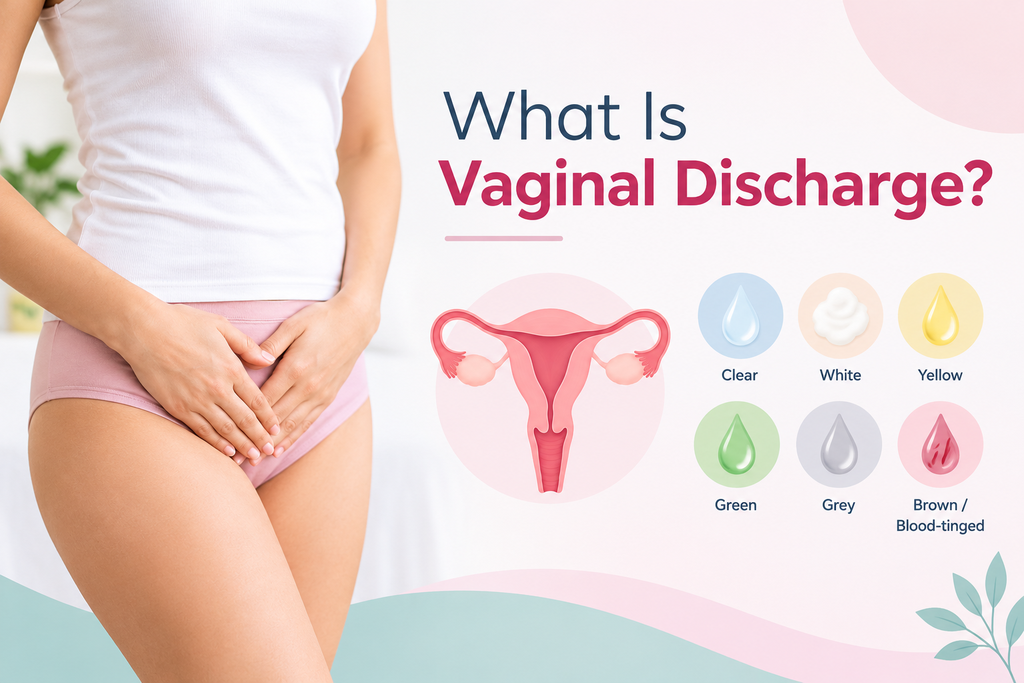
Its primary functions include:
- Keeping the vagina clean and moist.
- Helping remove dead cells and bacteria.
- Supporting the natural vaginal pH balance.
- Providing lubrication.
- Helping protect against certain infections.
The amount and consistency of vaginal discharge can vary from woman to woman. It may also change during the menstrual cycle due to hormonal fluctuations.
What Does Normal Vaginal Discharge Look Like?
Normal vaginal discharge is generally clear, white or slightly off-white. It usually has little to no noticeable smell and does not cause itching, burning or irritation.
Its appearance may change throughout the menstrual cycle.
1. Before Ovulation
Discharge may be white, cloudy or slightly sticky. The quantity can vary depending on hormonal changes.
2. During Ovulation
Vaginal discharge often becomes clear, slippery and stretchy, resembling raw egg whites. This is a normal change that may occur around the fertile window.
3. After Ovulation
Discharge may become thicker, creamier or stickier as hormone levels change.
4. Before Menstruation
Some women notice thicker or whitish discharge before their periods. This can be a normal hormonal change.
5. During Pregnancy
Pregnancy can increase vaginal discharge due to hormonal changes and increased blood flow. Normal pregnancy discharge is usually thin, clear or milky white and does not have a strong unpleasant smell.
However, discharge accompanied by itching, pain, bleeding or a foul smell during pregnancy should be assessed by a healthcare professional.
What Is Abnormal Vaginal Discharge?
Abnormal vaginal discharge refers to a change in its usual colour, consistency, quantity or smell, particularly when accompanied by other symptoms.
It may occur due to vaginal infections, sexually transmitted infections, irritation or hormonal changes.
Some common warning signs include:
- Strong or fishy vaginal odour.
- Yellow, green or grey discharge.
- Thick, white discharge accompanied by itching.
- Frothy or unusually watery discharge.
- Vaginal redness, swelling or irritation.
- Burning sensation during urination.
- Pain during sexual intercourse.
- Pelvic or lower abdominal pain.
- Unexpected bleeding between periods or after intercourse.
These symptoms do not always indicate an infection, but they should be evaluated when persistent, unusual or uncomfortable.
Different Types of Abnormal Vaginal Discharge and Their Possible Causes
The colour and consistency of vaginal discharge can provide clues about possible health concerns. However, appearance alone cannot confirm a diagnosis.
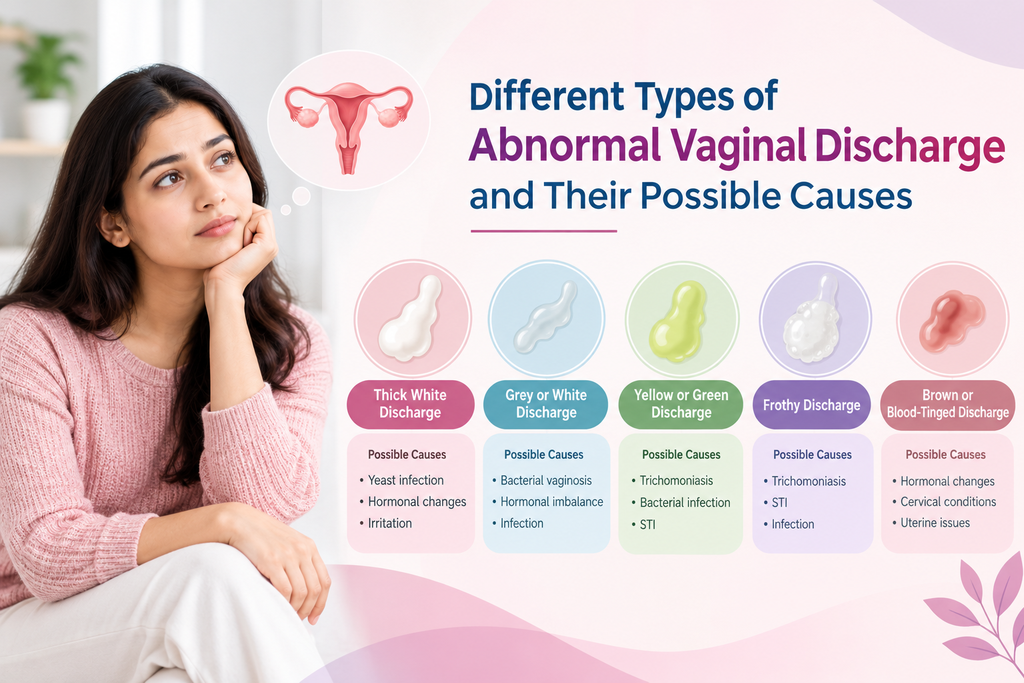
1. Thick White Discharge
Thick, white discharge that resembles cottage cheese and is accompanied by itching, redness or irritation may indicate a yeast infection.
Other symptoms can include:
- Vaginal soreness.
- Burning during urination.
- Discomfort during intercourse.
- Redness around the vaginal opening.
Yeast infections are commonly associated with an overgrowth of Candida, a type of fungus.
2. Grey or White Discharge with a Fishy Smell
Thin greyish-white discharge with a noticeable fishy odour may be associated with bacterial vaginosis (BV).
It occurs when the normal balance of bacteria in the vagina changes. Some women experience an unpleasant smell that becomes more noticeable after intercourse.
3. Yellow or Green Discharge
Yellow or green discharge, particularly when accompanied by an unpleasant smell, irritation or pain, may indicate an infection.
Certain sexually transmitted infections, including trichomoniasis, can cause yellow-green or frothy discharge. Other infections may also produce similar symptoms.
Medical testing is important to identify the cause.
4. Frothy Vaginal Discharge
Frothy or bubbly discharge may occur with trichomoniasis, a sexually transmitted infection caused by a parasite.
Other possible symptoms include:
- Unpleasant vaginal odour.
- Itching or irritation.
- Burning during urination.
- Discomfort during intercourse.
A healthcare professional can recommend appropriate testing and treatment.
5. Watery Vaginal Discharge
Clear or watery discharge can be normal, particularly around ovulation or during pregnancy.
However, persistent watery discharge accompanied by an unpleasant smell, pain, irritation or other unusual symptoms requires medical evaluation.
During pregnancy, a sudden gush or continuous leaking of watery fluid should be assessed urgently because it may indicate leakage of amniotic fluid.
6. Brown or Blood-Tinged Discharge
Brown discharge often contains older blood and may occur before or after menstruation.
However, unexpected blood-stained discharge can sometimes be associated with:
- Hormonal changes.
- Cervical irritation.
- Cervical polyps.
- Infections.
- Pregnancy-related complications.
- Other gynaecological conditions.
Repeated bleeding between periods or after intercourse should be evaluated by a gynecologist.
Common Causes of Abnormal Vaginal Discharge

Several factors can affect vaginal discharge. Some of the most common causes include:
1. Vaginal Yeast Infection
A yeast infection develops when Candida fungus grows excessively in the vagina. It can cause thick white discharge, itching, redness and irritation.
2. Bacterial Vaginosis
Bacterial vaginosis occurs due to an imbalance in the natural vaginal bacteria. It may cause thin discharge and a fishy smell. Some women do not experience noticeable symptoms.
3. Sexually Transmitted Infections
Certain sexually transmitted infections, such as trichomoniasis, gonorrhoea and chlamydia, may cause unusual discharge. They can also occur without obvious symptoms.
Testing and appropriate treatment are important to prevent complications and reduce transmission.
4. Hormonal Changes
Changes in oestrogen and other hormones during puberty, menstruation, pregnancy, breastfeeding and menopause can affect vaginal discharge.
5. Irritation from Personal Care Products
Scented soaps, vaginal sprays, perfumed products and harsh cleaning agents may irritate sensitive vaginal tissues and disturb the natural vaginal environment.
6. Cervical or Pelvic Infections
Inflammation or infection involving the cervix or reproductive organs may cause unusual discharge, pelvic discomfort, bleeding or pain during intercourse.
A proper examination is needed to identify the underlying condition.
How Is Abnormal Vaginal Discharge Diagnosed?
If you experience unusual discharge, a gynecologist may recommend tests based on your symptoms, medical history and examination findings.
Common diagnostic methods include:
1. Medical History
The doctor may ask about:
- Colour, consistency and smell of discharge.
- Duration of symptoms.
- Itching, burning or irritation.
- Menstrual history.
- Pregnancy possibility.
- Recent medication use.
- Sexual health history, where relevant.
2. Pelvic Examination
A pelvic examination may help identify inflammation, irritation, unusual discharge or other visible changes.
3. Vaginal Swab Test
A sample of vaginal discharge may be collected to check for yeast, bacterial vaginosis or other infections.
4. Laboratory Testing
Depending on symptoms and risk factors, laboratory tests may be recommended to identify sexually transmitted infections or other causes.
5. Additional Investigations
If pelvic pain, abnormal bleeding or other symptoms are present, the doctor may recommend further investigations, such as an ultrasound or additional tests.
The appropriate tests depend on the suspected cause.
Treatment Options for Abnormal Vaginal Discharge
Treatment depends on the underlying cause. Not every change in discharge requires medication, and treatment should be based on an accurate diagnosis.
Common treatment approaches include:
1. Antifungal Medication
Antifungal creams, vaginal treatments or oral medication may be prescribed for confirmed yeast infections.
2. Antibiotics
Antibiotics may be recommended for bacterial vaginosis or certain bacterial and sexually transmitted infections.
3. Treatment for Sexually Transmitted Infections
The treatment depends on the specific infection. Sexual partners may also need testing or treatment in certain cases to prevent reinfection.
4. Managing Irritation
Avoiding scented vaginal products, harsh soaps and other potential irritants may help reduce irritation.
5. Treating Underlying Conditions
If abnormal discharge is related to cervical inflammation, hormonal changes or another gynaecological condition, treatment will focus on the underlying cause.
Avoid self-medicating with antibiotics, antifungal medicines or vaginal washes. Using the wrong treatment may delay diagnosis and worsen irritation.
How to Maintain Good Vaginal Health
Maintaining healthy daily habits can support vaginal health and reduce irritation.
Consider the following practices:
- Wash the external genital area gently with water.
- Avoid vaginal douching and internal cleansing products.
- Choose breathable cotton underwear.
- Change out of wet or sweaty clothing promptly.
- Avoid heavily scented soaps and intimate hygiene sprays.
- Practise safer sex and use condoms to reduce STI risk.
- Take prescribed medication exactly as directed.
- Avoid using leftover antibiotics or antifungal medicines.
- Seek medical advice if unusual symptoms persist or return.
The vagina naturally maintains its own cleaning process. Internal washing is unnecessary and may disturb its normal bacterial balance.
When Should You Consult a Gynecologist?
Occasional changes in discharge may be normal. However, certain symptoms require medical attention.
Consult a Gynecologist in Delhi if you experience:
- Persistent changes in discharge colour or consistency.
- Strong or fishy vaginal odour.
- Itching, burning or vaginal irritation.
- Pain during urination or intercourse.
- Repeated vaginal infections.
- Bleeding between periods or after intercourse.
- Unusual discharge during pregnancy.
Seek urgent medical care if unusual discharge occurs with fever, severe pelvic pain, fainting or significant bleeding.
During pregnancy, a sudden gush or continuous leakage of watery fluid should also be assessed immediately.
Why Is Early Diagnosis Important?
Ignoring abnormal vaginal discharge may delay the diagnosis of an infection or another gynaecological condition.
Some untreated infections can lead to complications, including pelvic inflammatory disease (PID), which may affect reproductive health and fertility.
Early medical assessment helps:
- Identify the underlying cause.
- Ensure appropriate treatment.
- Reduce the risk of complications.
- Address recurring infections.
- Support long-term reproductive and vaginal health.
Regular consultations and timely medical advice are important parts of women’s healthcare.
Frequently Asked Questions (FAQs)
1. Is white vaginal discharge normal?
Yes. Clear or white discharge without a strong smell, itching, burning or irritation is generally normal. Its quantity and consistency may change throughout the menstrual cycle.
2. What does yellow vaginal discharge indicate?
Yellow discharge may occur for different reasons. If it is accompanied by an unpleasant smell, itching, burning or pelvic pain, it may indicate an infection and should be evaluated.
3. Can vaginal discharge indicate an infection?
Yes. Changes in colour, smell or consistency may be associated with yeast infections, bacterial vaginosis or sexually transmitted infections. However, symptoms alone cannot confirm the cause.
4. Is thick white discharge a sign of a yeast infection?
Thick white discharge accompanied by itching, redness or irritation may indicate a yeast infection. However, other conditions can cause similar symptoms, so proper diagnosis is recommended.
5. Can stress cause abnormal vaginal discharge?
Stress can influence hormonal patterns and menstrual cycles, but it is not a direct explanation for every change in vaginal discharge. Persistent unusual discharge should be evaluated rather than attributed to stress alone.
6. Is vaginal discharge normal during pregnancy?
Yes. Increased thin, clear or milky-white discharge is common during pregnancy. However, foul-smelling discharge, itching, pain, bleeding or watery fluid leakage requires medical assessment.
7. Can abnormal vaginal discharge affect fertility?
Some infections, particularly untreated sexually transmitted infections that lead to pelvic inflammatory disease, may affect fertility. Early diagnosis and appropriate treatment can help reduce this risk.
8. Should I use intimate washes to prevent vaginal infections?
Routine internal vaginal washing is not recommended. The vagina naturally maintains its own balance. Gentle external cleaning with water is generally sufficient.
9. When should I see a gynecologist for vaginal discharge?
Consult a gynecologist if discharge has an unusual colour or smell, or is accompanied by itching, burning, pain, bleeding or other persistent symptoms.
Conclusion
Vaginal discharge is a normal part of women’s reproductive health, but changes in its colour, smell, consistency or quantity can sometimes indicate an underlying problem. Understanding what is normal and recognising warning signs can help you take timely action.
Avoid self-diagnosis and unnecessary medication. If you experience persistent or unusual vaginal discharge, consult a qualified gynecologist for proper evaluation and treatment.
For women seeking guidance about vaginal discharge, vaginal infections and other reproductive health concerns, consulting Dr. Priya Agarwal, Gynecologist in Delhi, can help you understand your symptoms and explore appropriate care options.
Your vaginal health deserves attention, awareness and timely medical care.